
UPSC Relevance: Relevant for GS Paper II & III and essays on geopolitics and economy.
Context
The West Asia crisis has disrupted global energy markets, especially crude oil, natural gas, and fertilisers. The Strait of Hormuz blockade restricts the passage of petroleum and goods, severely impacting supply chains. India, dependent on nearly 90% crude oil imports, faces significant economic challenges.
Key Impacts
-
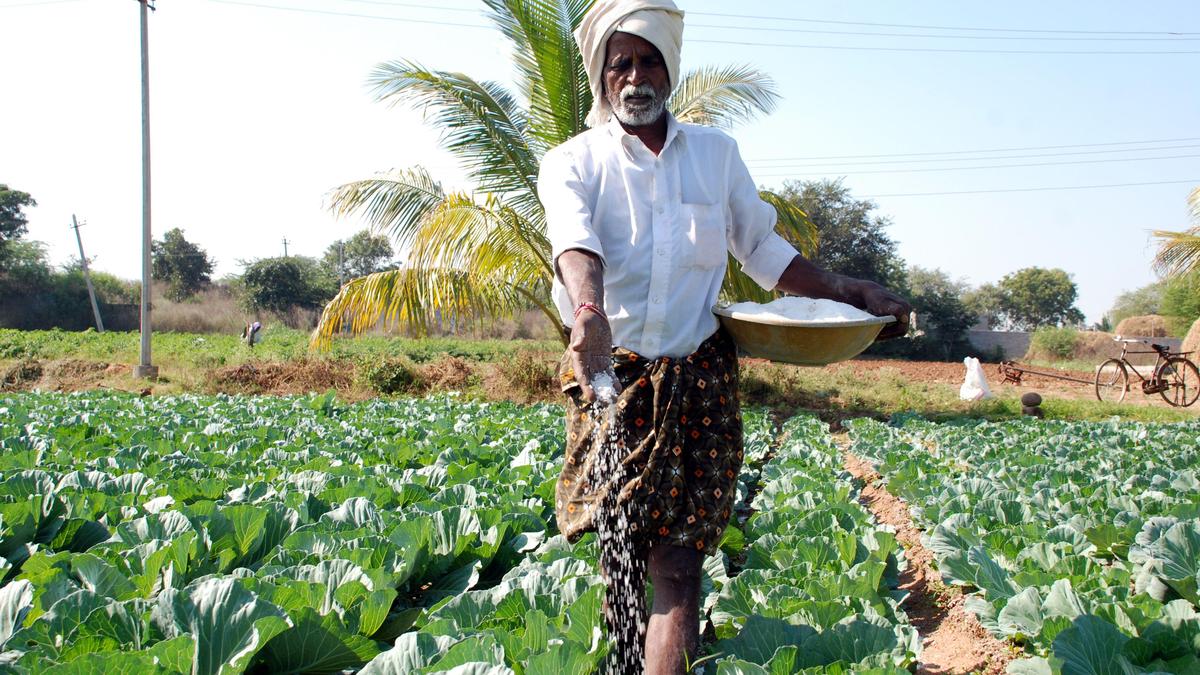
Supply Disruptions: Energy-intensive sectors such as textiles, chemicals, fertilisers, and cement are affected. Fertiliser shortages threaten Kharif crop output.
-
Rising Costs: Increased energy prices raise logistics, storage, and transport expenses, pushing product prices higher.
-
Exports: West Asia accounts for 16.4% of India’s merchandise exports. Global demand slowdown and rupee depreciation reduce export competitiveness.
-
Currency & Remittances: Rupee depreciation worsens due to capital outflows; remittances from Gulf countries likely decline.
-
Current Account Deficit: Higher import costs and falling exports widen the deficit.
-
Inflation: Cost-push inflation from petroleum and fertilisers. RBI estimates a $50 rise in crude prices could reduce GDP growth by 1% and increase inflation by 2%.
-
Fiscal Deficit: Subsidies and tax cuts on petroleum cause revenue losses, estimated at ₹1.32 lakh crore annually.
Policy Implications
India must diversify energy imports, consider retail price hikes post-elections, control liquidity to curb inflation, and ensure fertilizer availability to protect agriculture.
